
How Often Should You Replace Your Inverter Battery? Expert Recommendations
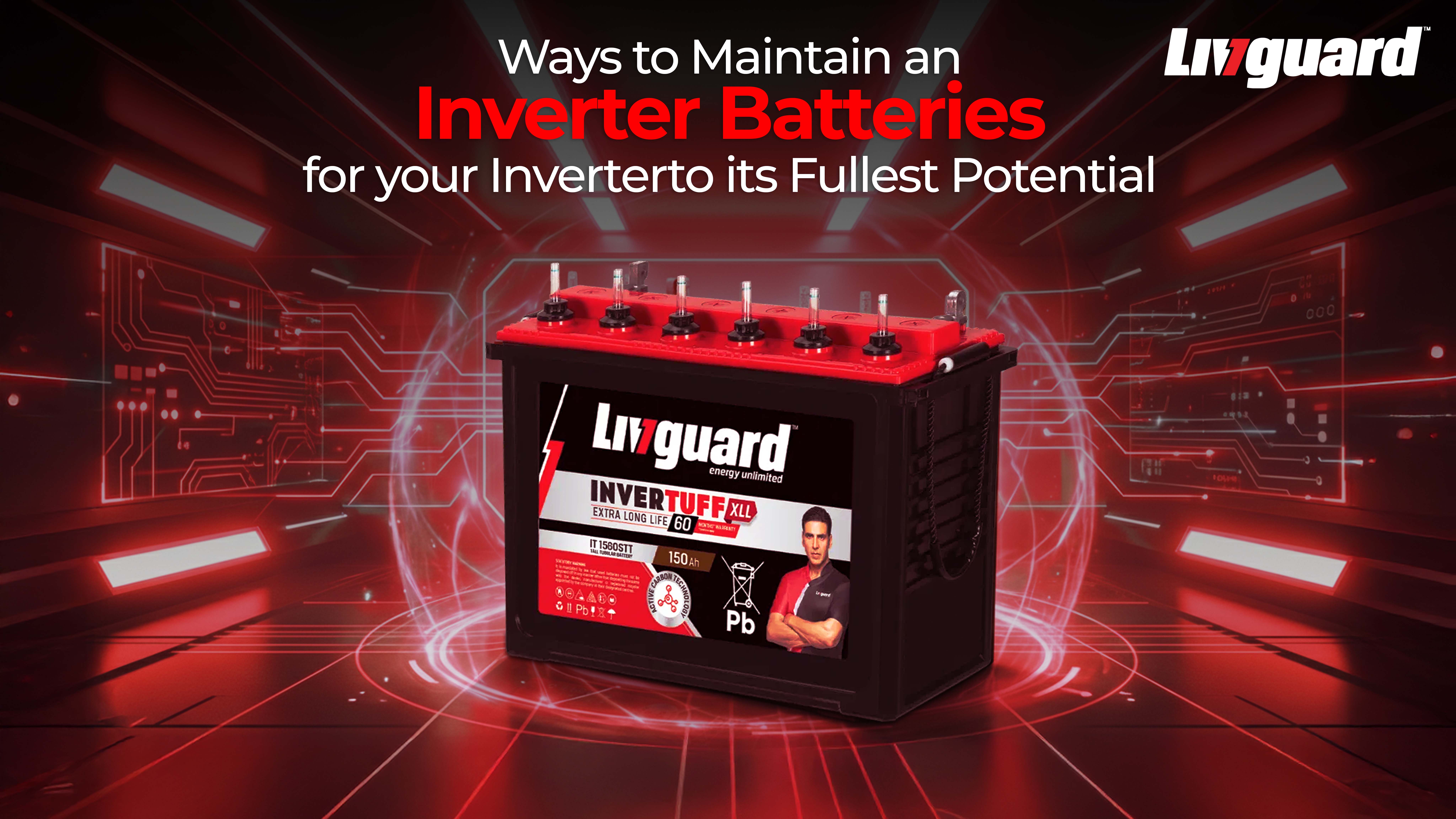
Inverter batteries are the saviours during a power cut; they’re the main part of an inverter power system from which the inverter draws power. However, just like how all good things come to an end, batteries themselves have a lifespan.
However, simply Googling “inverter battery lifespan” and changing them after the lifespan ends isn’t the best possible advice you could take, as there are a lot of nuances when it comes to how often you should change your battery. So, the question is, how often should you change your inverter battery?
In this article, we’ll get deep into inverter batteries and how often you should be replacing them. Make sure to read till the end, as this will cover everything there is to know.
Understanding Inverter Batteries
Inverter batteries are unique types of batteries that store energy and convert it into electricity when regular power fails. This technology is also extremely valuable in working out how to cope with power cuts so that our homes and businesses can still operate when the main grid fails. When the power goes out, inverter batteries that have stored direct current (DC) subsequently change it to alternating current (AC). This AC gives power to the things in your home.
Now, when you look online about Inverter battery lifespans, many options come in. The results can vary, but they look something like this.
| Battery Type | Typical Lifespan | Notes / Factors Affecting Lifespan |
| Standard Lead-Acid | 3–5 years | Usage frequency, maintenance, and climate |
| Tubular | 5–7 years | Optimal conditions, regular care, and environment |
Though these are generic in nature, Inverter batteries can live even longer if you take good care of them, get them serviced often and maintain them regularly.
Signs Your Battery Needs Replacement
Now, there are some signs which start showing after some time of using your battery, which is why you need to watch out for them.
Long charging period
If the battery is working at its best, it should be fully charged in a certain amount of time. If the charging time starts to take longer than usual, it means that the cells aren’t as good at taking in energy as they used to be. Livguard makes batteries that are energy-efficient and charge quickly so that you get power without any hassle.
Ageing signs or evident damage to the battery
You should be careful if the battery starts to change shape, expand, or crack. These are the clear symptoms that something is wrong and the inverter battery has to be replaced. These kinds of problems might be found easily with regular checks. Because of this, it’s vitally crucial to choose a battery that will last and has strong safety measures.
Battery leakage
Any clear indicator, like an inverter battery leakage with gushing electrolytes, should be dealt with right away because it means there is harm within. Batteries need to stay leak-free for the rest of their lives. It’s really vital to keep an eye on this to avoid any more problems.
Reduced effectiveness
If the inverter battery is defective, you may still have flickering light, and there might be other things that you will realise, such as your devices not working at their optimal. The battery is therefore unable to deliver a constant current, and that’s why this happens. This is because you’ll want to select a battery that’s highly efficient and able to supply continuously clean power even under heavy demand. Livguard batteries have been tested and shown to work without any problems, no matter how much power they need.
Factors Affecting Battery Replacement Frequency
Now, there are many other factors as well that affect the inverter battery replacement frequency. The reasons can vary, and the table below explains them quite clearly.
| Factor | Details | Impact on Replacement Frequency |
| Usage Patterns | Regular cycling vs. rare use; deep discharge vs. partial discharge | Frequent deep discharges can shorten battery life, while occasional use without cycling may also reduce efficiency; proper usage extends lifespan. |
| Environmental Conditions | Heat, humidity, extreme load; indoor vs. outdoor placement | High temperatures and humidity accelerate wear, and placing batteries outdoors without ventilation can reduce life, increasing replacement frequency. |
| Maintenance Practices | Water topping (for non-sealed batteries), cleaning Inverter battery terminals, and avoiding heavy appliance overload | Poor maintenance leads to reduced capacity and early failure; regular upkeep ensures the battery lasts closer to its maximum lifespan. |
Replacement Timeline Summary
So, the question still stands: how often should you actually replace your battery? Well, the moment you notice any of the above circumstances, you should replace your battery. Also, make sure you keep your usage in check so that your battery can last as long as possible. Instead of replacement, you should be focusing on maintenance.
But the fact is, batteries lose performance with time, so replacement is inevitable. The table below shows how often you should change your battery.
| Battery Type / Model | Recommended Replacement | Key Benefit of Timely Replacement |
| Standard Lead-Acid | Every 3–5 years | Prevents unexpected power failures |
| Tubular | Every 5–7 years | Ensures uninterrupted backup and extends battery life |
| Maintenance-Free / Sealed | Every 4–6 years | Reduces maintenance hassles and avoids sudden downtime |
Lithium Batteries: The Perfect Replacement
Now, a Lithium Ion Inverter battery is the perfect replacement if you’re changing your inverter batteries. Thanks to the following reasons:
- Lithium-ion batteries may charge quickly. It doesn’t take long to charge them all the way up. It may charge quickly or partially, which helps you save money on your electricity costs.
- Safe and reliable lithium batteries provide a good replacement for obsolete batteries as they do not leak or harbour dangerous substances.
- Lithium batteries are made to last longer than regular alkaline or other types of batteries, and their efficiency does not cease after a few uses, so the move away from disposable to rechargeable is part of the growing green movement, plus having received constant awards throughout time.
- So lithium batteries, needing no maintenance or cleaning, will save you from having to do it all the time.
- Lithium batteries are lighter than regular batteries, which makes them easier to carry and use.
The best Lithium Solution for your inverter system is the Livguard LITHIUM X 1500, it has 3-hour power backup of 400W and a warranty of 5+3 years.
Conclusion
So, the key is not to stick to the mentioned lifespan and go about replacing your battery. Why? Because proper care and maintenance often extends the life of your battery. However, when your battery puts across some signs, such as those mentioned above, you should know it is time!