Tips for Inverter and Inverter Battery Maintenance During Winters
Winter brings calm evenings and a cosy atmosphere, something we are all big fans of! But your inverter battery may not enjoy the drop in temperature so much. Why? Because cold weather slows down its internal reactions and affects how quickly it charges. Backup time can also be reduced when the battery feels the chill. But the good news is, with a little winter care, your inverter can stay strong and provide steady power for your home. Want to know how? Then keep reading!
Why Winter Affects Inverter Batteries
Falling temperatures can cause inverter battery backup issue in winters. The electrolyte grows thicker in winter, which slows movement inside the battery. This is why charging feels slower and backup drops. Moist air also affects the terminals and can lead to corrosion.
These small changes add up and affect performance during the season:
- Cold weather lowers battery activity.
- The thickened electrolyte slows charging
- Backup reduces during long winter nights
- Moisture increases corrosion on terminals
- Many homes notice faster winter battery drain
Ideal Placement During Winters
A simple change in placement can help your battery stay warm and work better. Cold floors or damp corners make the battery lose temperature quickly. A cosy and safe spot helps it stay stable and improves performance on colder days.
Some tips:
- Keep the battery away from cold floors
- Avoid damp areas near windows
- Choose a warm, ventilated corner in the house
- Use a raised stand for better protection
- Allow free airflow around the inverter
Winter Charging Best Practices
Inverter not working in winter? Check your charging practices. Charging behaves differently during winter. The battery takes more time to reach full capacity, so a proper routine helps it stay prepared. With steady care, the battery charges better and remains ready for power cuts.
Some tips:
- Charge the battery fully after each discharge
- Do not leave the battery half-charged
- Use the recommended charging mode
- Make sure the voltage input is stable
- Avoid deep discharges below forty per cent
- Use temperature-controlled charging if available
Check Electrolyte and Water Levels (For Non-Sealed Batteries)
Non-sealed batteries need simple checks during winter to maintain balance. Cold weather affects water levels and density, so a monthly look keeps the battery safe.
These checks protect the plates and help the battery deliver steady backup:
- Check electrolyte and water levels monthly.
- Top up with distilled water only
- Maintain the right electrolyte density
- Do not overfill the battery
- Skip this step for maintenance-free batteries
Clean Battery Terminals and Tighten Connections
Winter inverter battery care is important, as moisture can settle on battery terminals and cause rust. Even light corrosion affects flow and lowers performance. A small cleaning routine helps the battery run without strain.
Take care of the following things:
- Remove dust or rust from terminals.
- Apply a thin layer of petroleum jelly
- Tighten all clamps and connections
- Inspect wires for any damage
- Turn off the inverter before cleaning
Safe Load Management in Winter
Winter brings higher electricity use at home. More lighting, heating appliances and long evenings increase the load on the inverter. Managing this load helps your battery work comfortably through the season.
Important tips:
- Avoid heavy appliances during backup.
- Prioritise important devices
- Use energy-saving bulbs and appliances
- Prevent overload to protect backup time
Run a Weekly Backup Test
A weekly backup test helps you understand how your battery is handling winter. It also alerts you early if something feels unusual. A short test keeps your system healthy and prepared.
Some tips:
- Switch to backup mode manually.
- Run for fifteen to twenty minutes
- Note the backup duration
- Check how fast it charges again
- Look for heating or odd sounds
Winter Storage Tips (If Not in Use)
If your inverter is not used often during winter, the battery needs simple storage care. Even when idle, the battery slowly loses charge, so a few habits like these listed below, keep it in good shape:
- Charge the battery fully before storing
- Keep it in a warm, dry place
- Recharge every thirty to forty-five days
- Avoid complete discharge
Warning Signs to Watch Out For
Winters highlight early battery issues more clearly. Paying attention to these signs prevents bigger problems later. Early checks save the battery from long-term damage.
Warning signs to watch out for:
- Reduced backup time
- Slow charging
- Swelling or heating
- Frequent tripping
- Low electrolyte level
Get expert help if these signs continue!
When to Upgrade to a Winter Friendly Battery
Sometimes an older battery may not respond to winter care. If the battery struggles each season, an upgrade may be a better choice. Modern batteries handle temperature changes well and offer smoother performance.
Upgrade the battery if:
- The battery is older than three or four years
- Frequent electrolyte troubles
- Weak backup even after regular checks
- Heavy winter usage at home
- Livguard maintenance-free batteries offer strong winter performance
Livguard Inverter Batteries: Your Best Choice
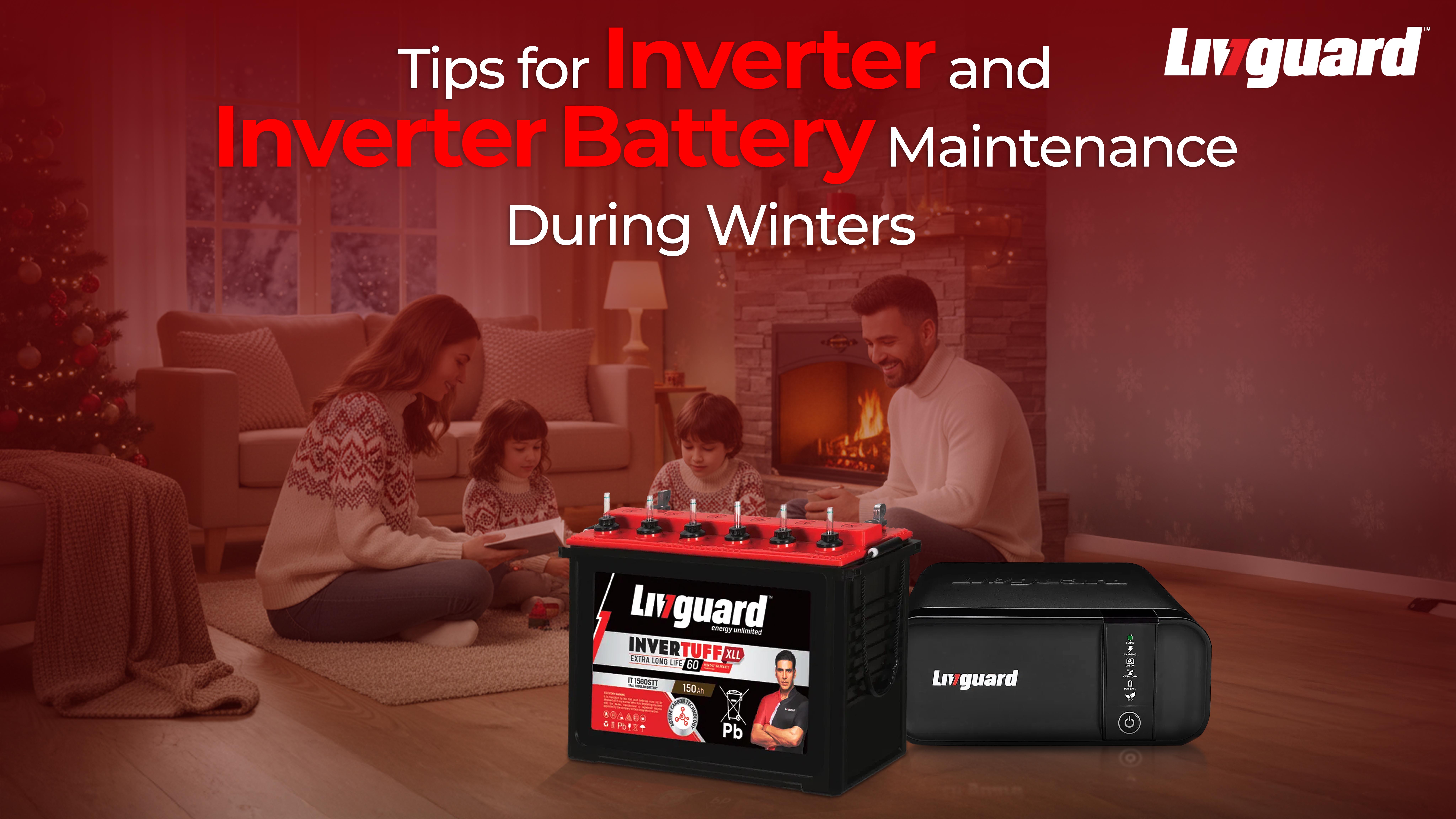
Now that you know how to maintain an inverter battery in winter, let’s talk about choosing the right one. Livguard batteries are designed to support stable power even in cold weather. The futuristic look makes it stand out, but the tough 3-D grid is the real hero, giving it durability you can count on. The non woven gauntlet adds a neat layer of stability, making sure the battery runs smoothly day after day. The assured warranty only adds to the comfort, making the whole experience feel easy and dependable. Livguard offers batteries that quietly do their job, keeping your home powered and making you appreciate how well built they really are. So why wait? Explore the full range of Livguard inverter batteries designed to perform efficiently even in harsh winters.
Conclusion
Inverter battery maintenance in winter is simple when you follow a few easy habits. With regular checks and warm placement, your inverter battery stays healthy throughout the season. A dependable Livguard battery adds comfort and steady performance to your home, even on the coldest winter nights.