How to Select the Right Battery for Your Home Inverter Setup?
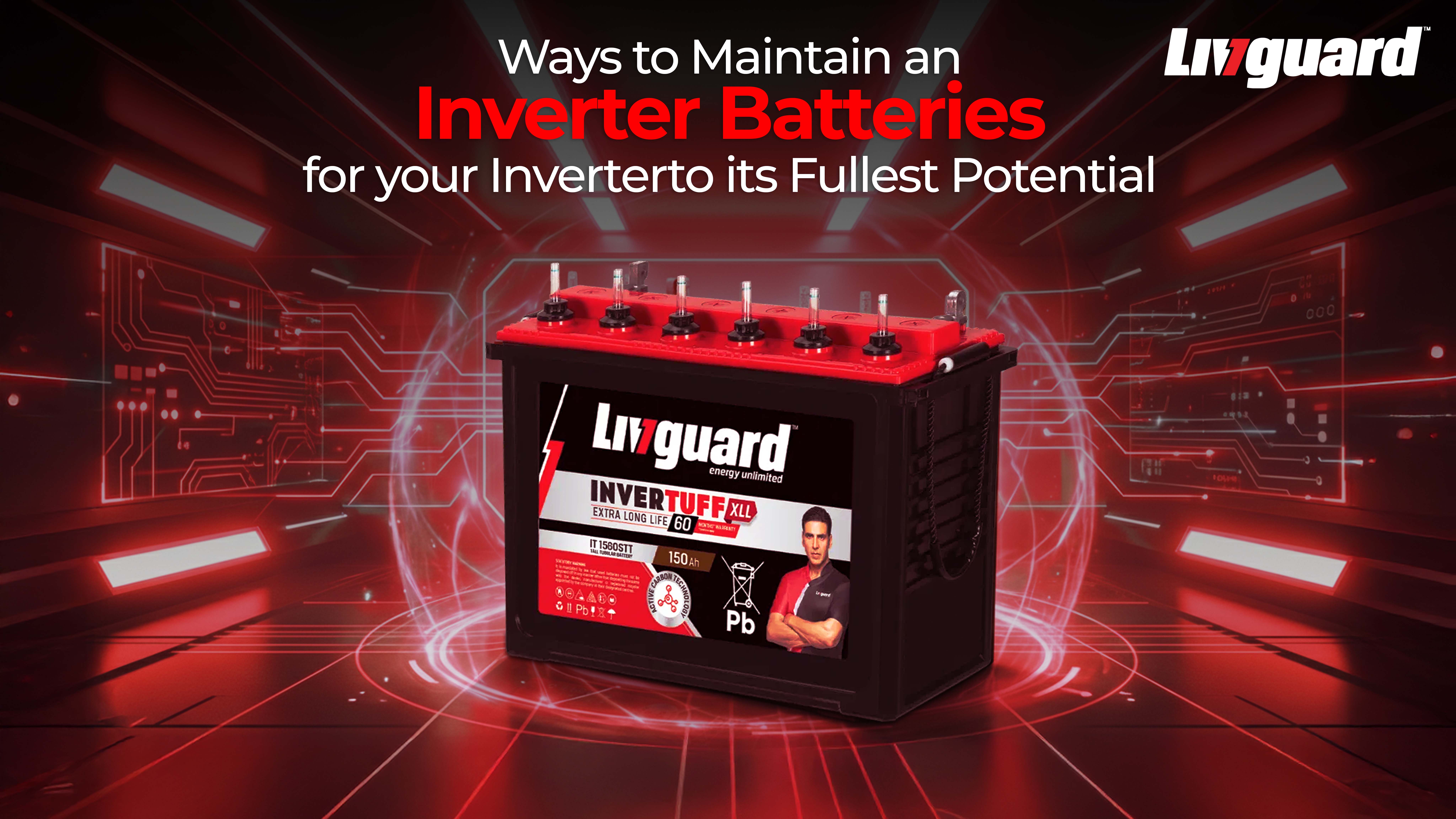
When inverters were first introduced in the market, we were glad to have a fan or two running during the power cuts. However, over the years, as inverter performance and battery capabilities increased, we became more demanding with our backup power usage. If you are planning to upgrade your old inverter or are in the market for buying a new one, selecting the right battery will be of critical importance for any performance gains.
Guide to select the Right Battery for your Inverter.
Understanding power requirements
You can only determine the right power requirement by taking your home’s power needs into consideration. Power requirements determined based on a neighbour’s or relative’s recommendations can often go wrong. Here is a basic idea of power consumption for you.
- 1 Fan: 70 Watts
- 1 Tube Light: 60 Watts
- 1 CFL: 25 Watts
- 1 Television: 120 Watts
Now, if you want 3 fans, 3 tube lights, 1 CFL and 1 television to run on inverter power, you will need a total of 535 Watts. The VA rating of your inverter will help you determine if it is ideal for your usage case or not. The battery you need will have to be powerful enough to provide the required power for at least 2 hours. As battery voltage is generally taken at 12 Volts, here is how you calculate the battery capacity.
Battery Capacity = (Total Power Requirement x Backup Time) / (Battery Voltage * Battery efficiency * Inverter Efficiency)
i.e. = 535×2/120.80.8 = 140
So, a battery with capacity equal to or higher than 140 Ah will suffice for your home.
(Assumption: Battery Efficiency = 0.7-0.8, Inverter Efficiency = 0.8)
Types of Batteries for Inverters: Which One Is Right for You
The right inverter battery keeps your home running during power cuts. But with so many options, choosing the best inverter battery can feel confusing.
Let’s explore the types of inverter batteries:
1. Flooded lead-acid
These are the traditional batteries. They are the most affordable but require regular maintenance. You can buy these if you are on a tight budget.
2. Tubular
Tubular batteries usually last longer than regular flooded batteries. They handle deep discharges well. So they are a great choice if you often need your backup for a longer time. They need less maintenance than flooded batteries.
3. Gel batteries
A gel inverter battery uses a thickened electrolyte. They are maintenance-free and tolerant of tough conditions. They are pricier than flooded batteries, but good if you want a low-care option and stable performance.
4. AGM / VRLA
Absorbed Glass Mat (AGM) batteries are sealed and maintenance-free. They give reliable starts and handle frequent cycling better than basic flooded batteries. They are compact and a neat choice if you prefer a sealed unit.
5. Lithium-ion
Lithium batteries are the premium option. They are light, compact, have a very long life, and need no major maintenance. While they cost more initially, they can be more cost-effective over the years, with heavy use.
Quick comparison
Here is a comparison of lithium vs lead-acid inverter batteries:
| Feature | Lithium | Lead-Acid |
| Maintenance | Almost none | Needs regular checks |
| Lifespan | 8 – 10 years | 3 – 7 years |
| Cost | Expensive upfront | Cheaper upfront |
| Best For | Frequent use, low maintenance | Budget-friendly, moderate use |
An inverter battery must suit your daily routine, energy needs, and backup requirements. Understanding how to calculate home load will help you get the right size. It ensures your power backup is reliable and stress-free.
Buying the best inverter batteries online
LivGuard is a renowned name in India’s branded battery market. The company offers high performance batteries for inverters, vehicles and solar setups. You can now browse the LivGuard inverter battery online on the official website and use the dealer locator to buy the best inverter batteries from your nearest vendor.