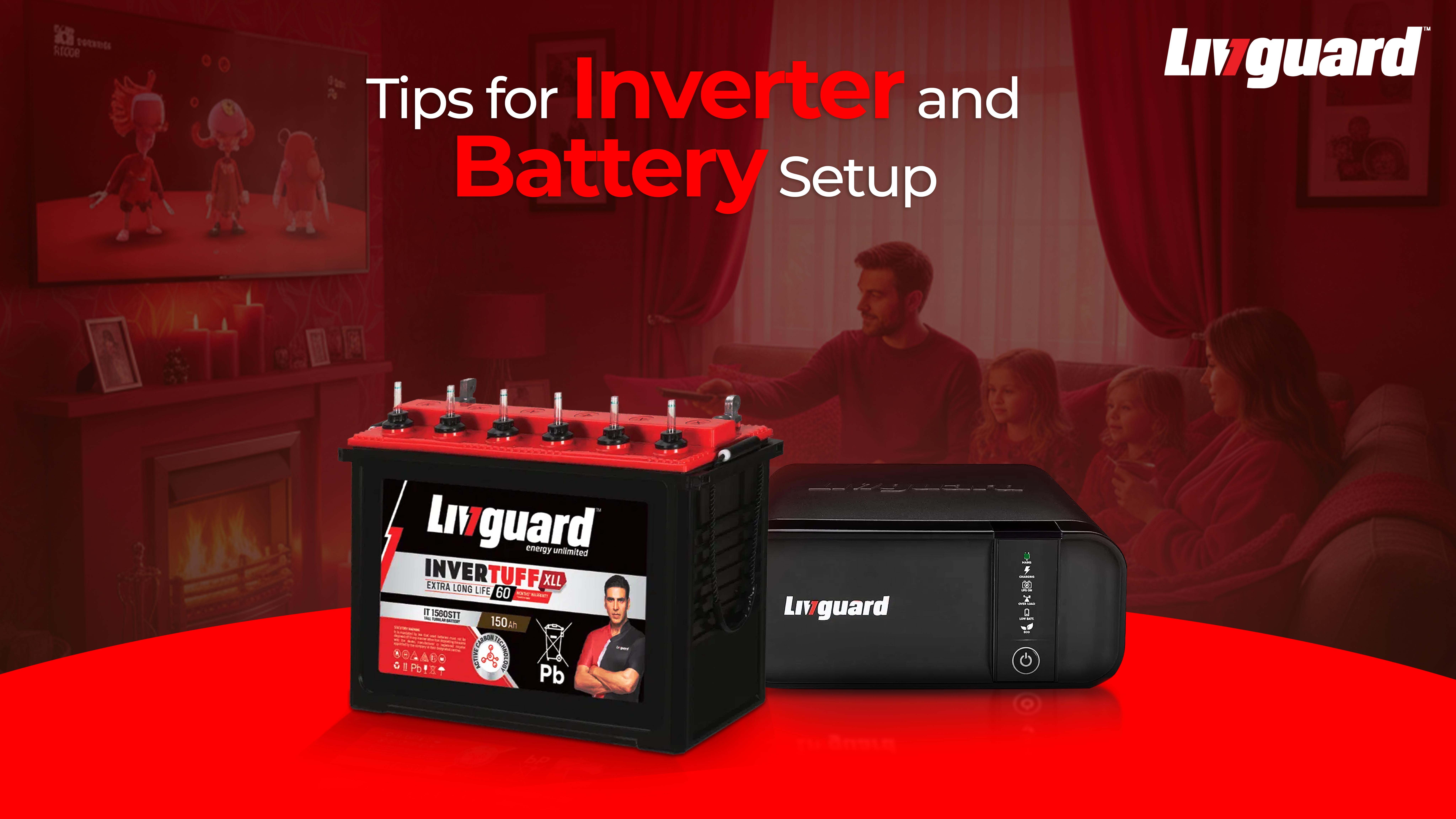
Tips for Inverter and Battery Setup
| Sr. No. | Table of Contents |
|---|---|
| 1 | Step-by-Step Guide on Inverter Installation |
| 2 | Tips on Connecting the Inverter to the Battery |
| 3 | Common Mistakes to Avoid During Inverter Installation |
| 4 | Wrapping Up! |
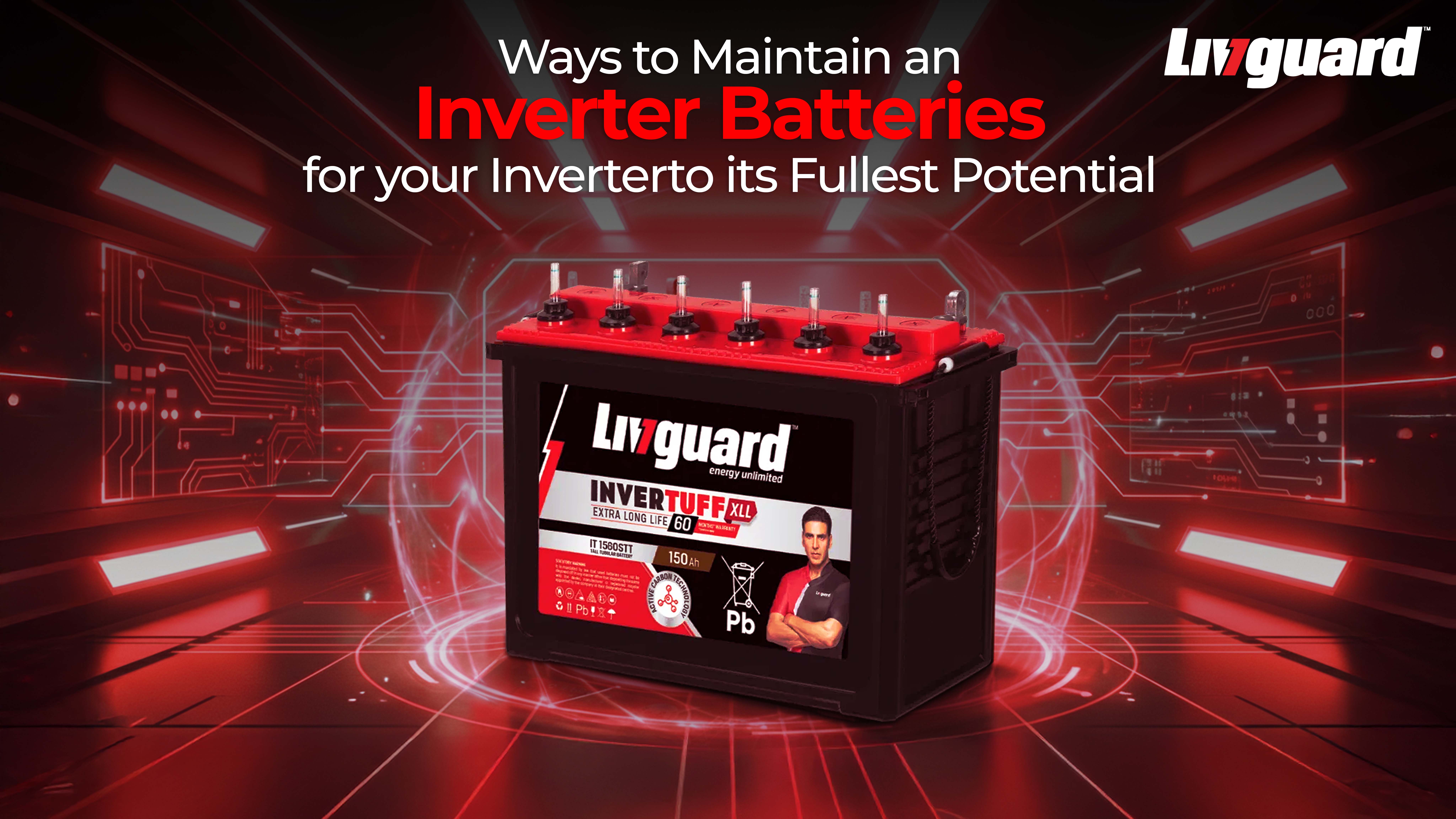
Selecting the right inverter and battery for your home requires many considerations – your power needs, backup duration, the type of inverter and battery to choose, features to opt for, and more. The process does not end with the purchase. The next step is inverter installation, and it is equally important.
The performance of the inverter and battery depends on the right installation. Without proper care and caution, electrical mishaps can happen. That is why, here we have a guide on inverter setup for home. Read on to know all the tips, dos and don’ts.
Step-by-Step Guide on Inverter Installation
You need to understand the process well and proceed carefully. Here are the steps:
1. Read the Manual
Every inverter model is made different to serve different power requirements and features. The good thing is the inverter comes with a manual. Your first step is to read the manual provided with the inverter thoroughly. It will have all the necessary information on mounting requirements, the right cable sizes, voltage compatibility, and battery and load limits. Knowing these details, you can get the power inverter installation done in the right way.
2. Find the Right Location
The location influences the performance as well as safety. An inverter placed in a tiny space with room for ventilation can overheat, which can drop the performance, damage internal elements, and even lead to a shutdown.
Where can you get your inverter installed?
- A dry, cool and well-ventilated space without any damp or humidity
- Away from direct sunlight, the stove, or any other heat sources
- With 8 to 6 inches of clearance on all sides to ensure proper airflow
- At a comfortable height for easy monitory
- Far from children’s reach
3. Mount on a Stable Surface
A stable mounting surface is important for smooth operation and safety. Choose a vertical space with a solid base that can take the load of the inverter. It should be vibration-free. It is best to avoid uneven or metal surfaces. Also, secure the inverter with heavy-duty wall plugs and screws.
4. Use the Right Cables and Wires
It is best to stick to the wires and cables suggested by the manufacturer to ensure smooth performance and avoid mishaps. When attaching, remember:
- All the connections should be tight, and polarity should be correct.
- Pay attention to the inverter to battery wiring.
- Plug the inverter into a wall socket and avoid extension cords.
5. Ground the System
Grounding refers to earthing, which prevents electrical surges and shocks. It is crucial for ensuring safety.
Here’s how to proceed:
- You will need a copper earthing rod that is buried in the ground.
- Locate the grounding terminal of the inverter and attach the earthing rod with a thick copper wire.
- All electrical components must be attached to a shared ground point.
6. Follow Electrical Safety Measures
During the inverter installation, be mindful of these safety tips:
- The main power should be off before you connect the wires.
- Wear safety glasses and insulated gloves.
- Always check the wires with a multimeter before touching to ensure they have no live current.
- There should not be any metal tools, flammable materials, or water around the installation.
Tips on Connecting the Inverter to the Battery
Wondering how to do the inverter battery fitting? Here’s an easy guide:
- Turn the inverter off before you start.
- Identify the positive and negative terminals in the inverter as well as the battery.
- Connect the cables correctly (positive to negative).
- Make sure all the connections are tight.
- Turn the inverter on.
Common Mistakes to Avoid During Inverter Installation
Here are the mistakes you must avoid when installing your inverter:
- Incorrect Inverter to Battery Wiring: Reversing polarity or making loose connections can damage both the inverter and battery.
- Using undersized or Mixed Wire Gauges: Thin or mismatched cables increase resistance, reduce efficiency, and lead to overheating.
- Poor Ventilation: Installing the inverter or battery in an enclosed area traps heat, affecting performance and lifespan.
- Neglecting Grounding Connections: Skipping proper grounding can lead to electric shocks or equipment failure.
- Overloading the Inverter: Connecting more devices than its rated capacity can cause overheating or shutdowns.
- Ignoring Battery Maintenance Post-Installation: Regularly inspect and clean terminals to avoid corrosion and ensure long-term reliability.
Wrapping Up!
Installation can seem a little tricky, but it must be done accurately for an uninterrupted power supply. If not installed correctly, there can be issues with performance, safety can be compromised, and the system can shut down completely. Read the instructions given in the manual, be mindful, and follow the right installation steps.
Find high-quality inverters and inverter batteries with advanced features on Livguard. With a wide capacity range, cutting-edge technology, and extended warranty periods, versatile options are available for the varying power requirements of different homes. Determine your power needs, and get the most suitable inverter and battery today.