Lead Acid vs Lithium-Ion Batteries: Guide To Select The Best Inverter Battery For Home
The frequent power cuts due to the steep rise in electricity demand in India are a troubling reality for most households. In 2023, the electricity consumption was around 7% in comparison to the global 2% rate. The harsh and long summer days are one of the key reasons behind this. This is where having a reliable inverter battery is the game-changer. A high-quality battery not only allows you to enjoy uninterrupted energy, but also keeps you stress-free during a hard-working day.
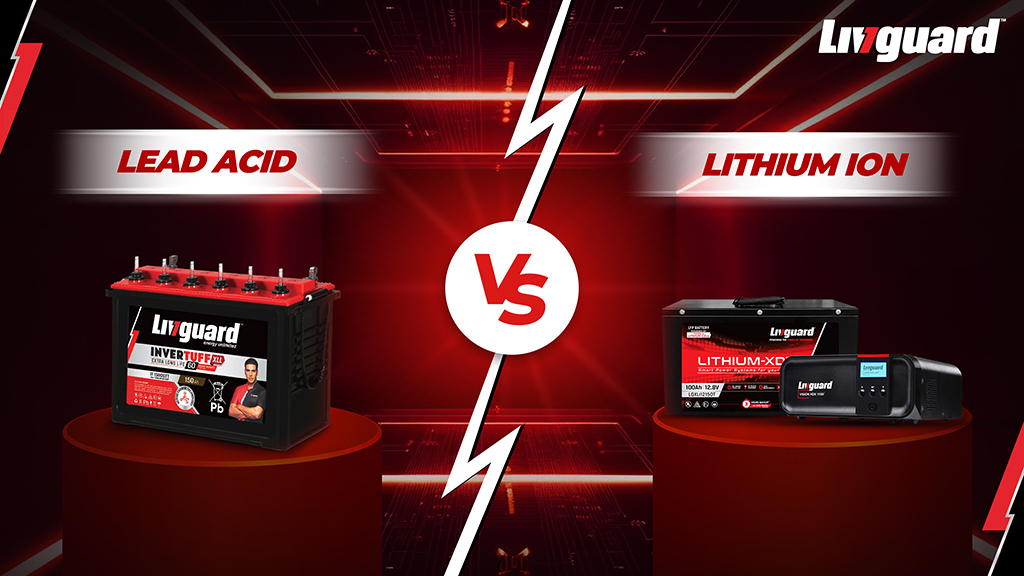
But the nagging question that most Indians keep asking is which is the best battery for the home. In this guide, we’ll understand the major differences between the two popular types of batteries: a lead-acid battery and a lithium ion battery.
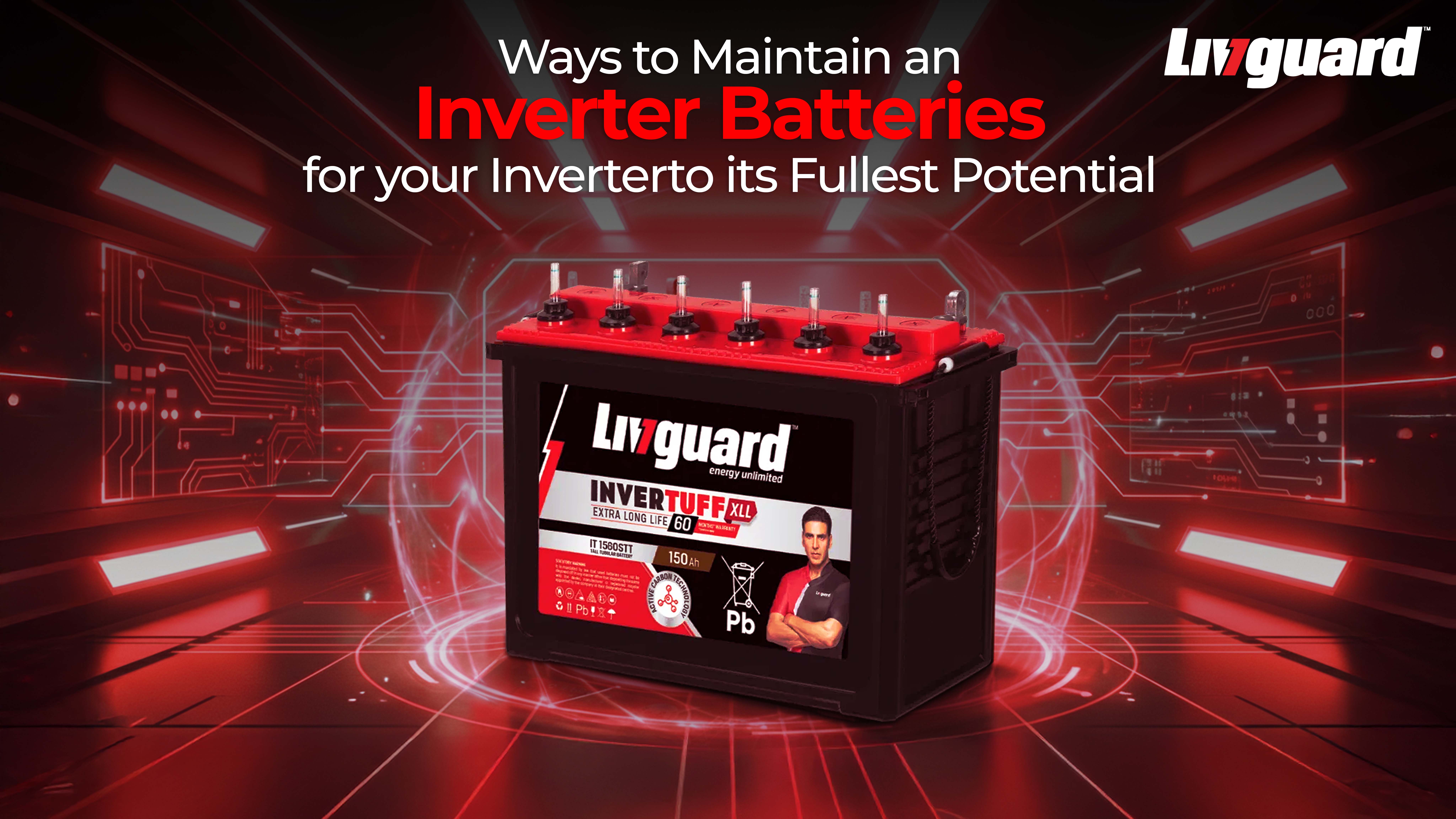
Understanding a Lead Acid Battery For Home
A lead-acid battery is one of the most common types of batteries. They offer long-lasting performance at an affordable rate. They are used in a variety of areas, including automobiles, office spaces, and small residences.
- Longer Backup: Livguard batteries are designed with SuperTUFF 3D grid, which holds negative active material 20% longer for a longer power backup.
- Lower Upfront Investment: With lead-acid batteries, you can enjoy an uninterrupted power supply without the hefty price tag. You can find a range of Livguard inverter batteries at different prices to suit your budget.
- Low-Maintenance Design: These durable batteries are crafted with PPC plastic for a leakproof performance. The smooth exterior ensures easy cleaning and reduced maintenance costs.
- Long-Lasting Performance: Ideal for areas with frequent power cuts, lead-acid batteries offer a longer span of around 5-7 years.
Understanding a Lithium Ion Battery for Home India
Lithium batteries are high-tech, modern inverter batteries to meet the dynamic Indian household needs. They are compact and can run heavy-duty appliances with utmost safety. They come with smart features and are applicable in home inverters, the marine industry, and mobile phones. Here are some of its key features:
- Cost-Effective: A lithium battery price may feel a bit high at first, but they offer minimal energy wastage and reduce your electricity bills in the long run.
- Maintenance: These sleek batteries are maintenance-free and require minimal intervention during their lifespan.
- Long-Lasting Performance: These lithium batteries are built to last and offer smooth performance through their lifetime. These handy power backups can last for over 8-12 years.
- Lightweight Design: A lithium ion battery for inverter is known for its compact build and powerful performance.
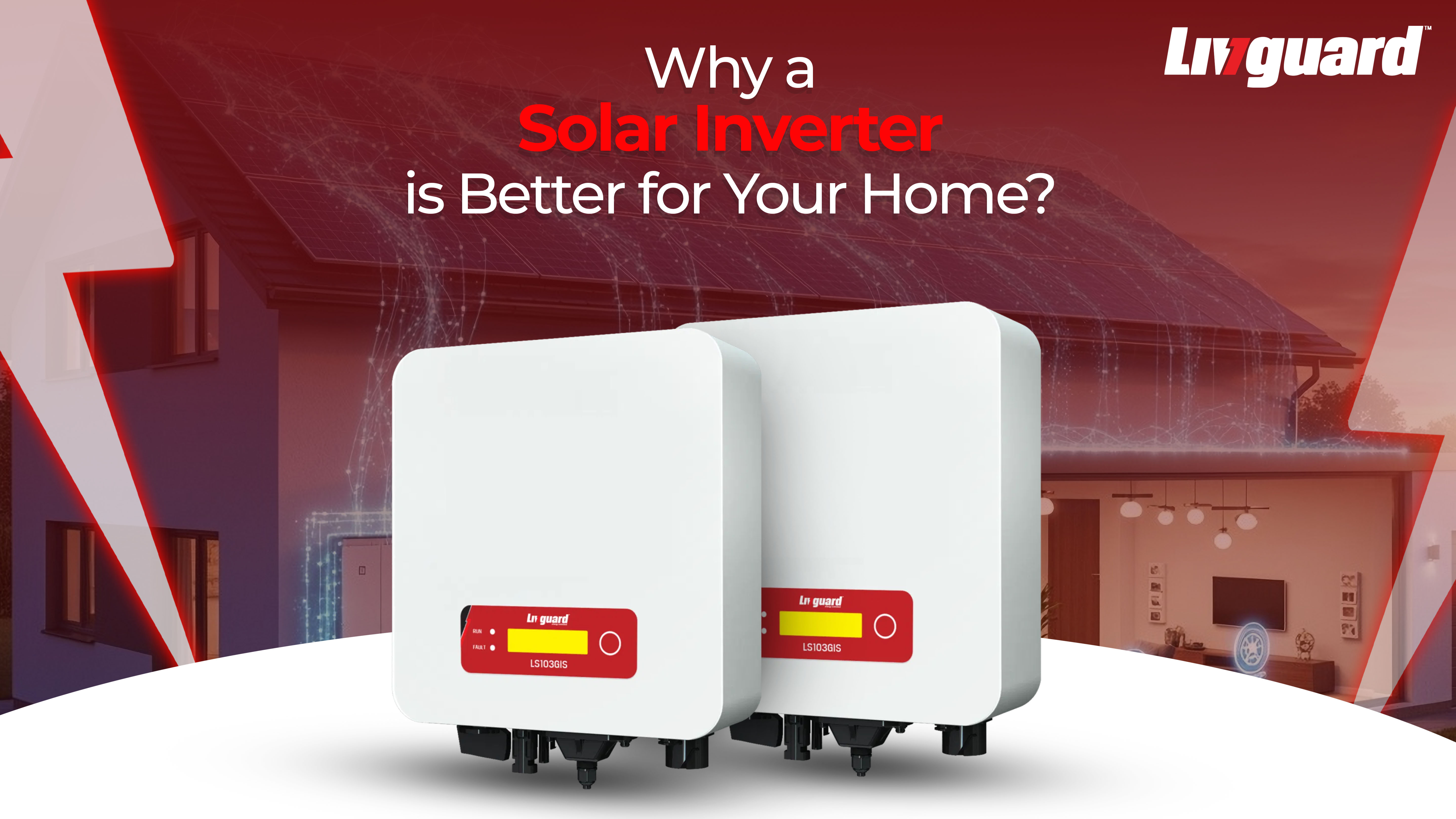
Livguard’s all-in-one integrated wall-mount energy storage solution features a powerful inverter and a long-lasting lithium battery in one compact system.
Lead Acid Battery vs Lithium Ion Battery
The following are the major differences between the two popular battery types:
| Feature | Lead Acid Battery | Lithium-Ion Battery |
| Lifespan | 5-7 years | 8 – 12 years |
| Maintenance | Minimal services. Water top-ups | Maintenance-free |
| Design | Versatile sizes and durable build. | Compact and lightweight.Wall-Mount design |
| Cost | Lower upfront cost | Higher upfront cost, but cost-effective long-term |
| Advanced Features | High Charge Acceptance for longer backups.Tuff Futuristic Design for interior storage. | Smart BMSRemote monitoringFast charging |
How to Choose the Best Inverter Battery For Home
Here are some key factors you must consider when looking for a reliable inverter battery for your home or office:
- Know Your Power Requirements
Livguard offers a wide range of battery capacities from 90 to 200 Ah. Calculate your total power consumption by listing down the appliances you are planning to run on your inverter. Smaller and essential appliances such as a fan and a light require less power, while heavy-duty AC and refrigerator require higher capacity battery options.
You can also take help from the Livguard Load Calculator to find the perfect battery that suits your daily consumption.
- Warranty and Post-Sale Services
A key factor to consider is the warranty period and post-sale services. Livguard offers around 24 to 48 months of warranty for most inverter batteries. This ensures a valuable purchase and keeps you stress-free for a good few years.
- Safety Features
No matter the battery type, understanding the safety features is crucial for a safe and secure home environment. A durable build made from high-quality materials will prevent any unforeseen circumstances or accidents. PPC plastic ensures a leak-proof performance for a long time. Plus, the non-woven gauntlet design offers extra durability against daily wear and tear.
Key Takeaways
From higher power consumption to smaller storage spaces, several factors influence your choice of inverter batteries. The need for reliable backup power is universal across both urban and rural India. When comparing lead acid battery vs lithium ion battery, the former offers a cost-effective and budget-friendly solution, while the latter delivers superior performance, longer life, and a compact design suited for modern homes.