
How to Refill Water in Inverter Batteries
| Sr. No. | Table of Contents |
|---|---|
| 1 | Why Inverter Battery Water is Crucial? |
| 2 | Step-by-Step Guide to Refill Water in Your Inverter Battery |
| 3 | Refill Your Inverter Battery Water: Key Takeaways |
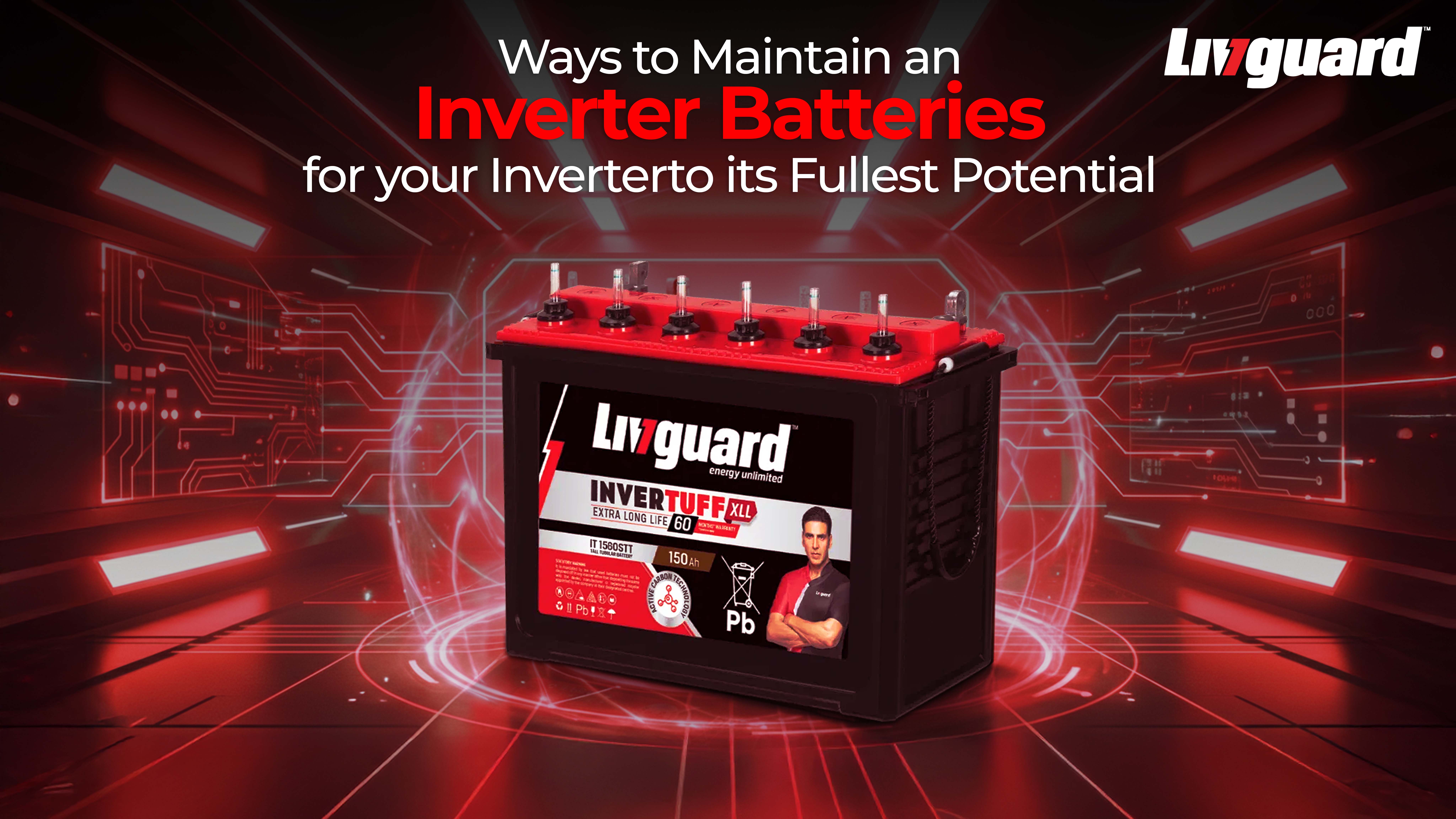
Thanks to your powerful inverter, you can enjoy 24/7 power at your home without moving a finger. Unlike the days gone by, modern-day inverters offer unlimited power and seamless applications for all kinds of devices. However, the source of all the power comes from the potent inverter batteries. Most inverter batteries are lead-acid, which requires regular water top-ups to keep them fresh and running smoothly. So, if you are a homeowner, you should be aware of how and why we fill the water in inverter battery.
In this guide, we will understand the correct way to refill your inverter battery water and some essential smart tips to maintain your batteries for optimal performance.
Why Inverter Battery Water is Crucial?
Your inverter battery stores power in DC form, which the inverter converts into AC to run your appliances. The battery uses a mix of lead plates and diluted acid to produce energy. Over time, water levels drop, causing an imbalance in the solution. That’s why regular water top-ups are essential for smooth performance. When the water level drops too low, there are some consequences:
- The battery backup capacity becomes weaker.
- Risk of overheating and damage.
- Negative effect on the battery’s life in the long run.
Step-by-Step Guide to Refill Water in Your Inverter Battery
This quick guide will help you master the process of refilling water in your inverter batteries for optimum performance:
Check The Inverter Battery Water Level
There is a range of signs that may occur due to sub-optimal water levels in your batteries. These signs will help you refill your water on time without causing permanent damage to your batteries:
- Reduced Backup Time: This is one of the most popular signs of low water levels. You can experience reduced run time for your inverter every passing day.
- Overheating: If your inverter is getting heated every now and then, it may be due to a higher internal temperature due to a lack of cooling agent.
- Water Indicators: The inverter battery water level indicator is below the visible point. Livguard inverters come with an LED indicator for on-time warning signs.
- Bad Smell: If you are running your inverter on a low water level for a long time, it can generate some foul odour. You may be able to smell an almost acidic or mechanical smell.
- Distorted Battery Plates: Using your inverter without proper water levels for a regular time period can reshape the plates of your battery for inverter.
- Reduced Battery Charging: A low water level can prevent your batteries from fully charging. This not only damages the battery’s life but also affects your inverter’s performance too.
At Livguard, we believe in simplifying things for you. The Livguard inverter trolley features a handy front door access to help you check the water levels with ease.
Turn Off Your Inverter
Once you are sure of the low water levels, then unplug your inverter from the main switch for safety. Before going ahead, put on safety gloves and goggles to prevent any mishappenings.
Remove the Vent Plugs
Twist the top cap anticlockwise to open the water vents. Use a brush or cloth to remove any dust or corrosion from the surface. Bring a small funnel and rest it comfortably on the open vent’s mouth. Start pouring the distilled water gently into the funnel. Avoid dripping on the battery surface. Fill the water up to the guided line or marking and do not overfill it.
Only Use Distilled Water
Distilled water is the purest form of water. It is the ideal type of water for a battery as it contains no ions. Regular water contains water ions that can create a barrier and block the electrolytes from forming the chemical reaction. This is why you must always choose the best distilled water for inverter battery.
Close the Vents
Fill all the vents up to the mark and screw the respective caps without fail. This will prevent any evaporation or contamination. Wipe the surface off with a clean cloth.
Connect the Inverter
Plug your inverter back into the main socket and turn it on. Check if it’s functioning properly. Keep an eye on the water levels indicator and refill the vents before they are fully drained. You can set a reminder to prevent missing the refill window.
Refill Your Inverter Battery Water: Key Takeaways
Maintaining the water levels for your tubular batteries is not a choice but a responsibility for every homeowner. This prevents your batteries from long-term damage and ensures an uninterrupted power supply. In case your battery is damaged due to reduced water levels, then it is best to look for a replacement by searching for a battery shop near me. Livguard offers a wide range of high-quality batteries for home inverters with a long-term warranty. Make sure to go through our guide and look out for any signs of low water levels in your batteries and refill them immediately.