
Everything You Need to Know About Car Batteries
A healthy car battery is one of the essential parts of a functional car. It needs regular service and maintenance to perform well over time. Knowing how it works, its purpose, how to spot a bad car battery, what time it needs a replacement, etc., can help one gather valuable and exciting information.
The information acquired can be used to ensure the car battery remains stable and in working condition because the last thing one would want is a dead car battery in the middle of a road. Read on!
Introduction to a car battery
A car battery is a rechargeable battery that is used to start a car. A healthy and functional battery powers a car. It is one of the car parts that does not get enough attention, but it does a lot of things and plays a vital role in ensuring a car remains fit and fine. Because of all the benefits they provide, a vehicle owner should always take appropriate care of the battery to keep them healthy for higher efficiency.
How does a car battery work
A car needs a battery to function. Without a battery in place, the car won’t start, let alone move. In other words, car batteries are responsible for powering up a whole vehicle. If the battery is not working, the car parts will not work. How does a small object contain so much power?
This takes us to the question – How does a car battery work? When a car is turned on, the battery gets a signal. The battery then converts the chemical energy into electrical energy. The electrical power delivered to the starter is used to crank the engine. A battery also powers the light and other accessories of a car. Most of these batteries based on a lead-acid chemical reaction fall into the category of SLI, which is short for starting, lighting, and ignition.
Types of Car Batteries
There are many battery options available across the market. Your car is longing for the correct battery type to work optimally. Have a look at the most efficient car batteries that you will commonly come across in the market:
1. Lead Acid Car Battery
The traditional and most widely used car battery is this one.
Pros:
- The type is cost-effective and generally affordable than other types.
- It has proven technology with a reliable track record.
Cons:
- The battery can be bulky and add weight to the vehicle.
- It requires regular checks and maintenance.
2. Lithium Car Battery
A newer, high-performance battery type.
Pros:
- The battery is significantly lighter than lead acid ones.
- They can last up to 10 years or more.
- It charges quicker than traditional batteries.
Cons:
- It is more expensive in terms of its initial cost.
- The battery’s performance can be affected by extreme temperatures.
The pros and cons of lead acid batteries are evident enough. However, you should also go through the difference between lithium and lead acid batteries
| Feature | Lead Acid Car Battery | Lithium Car Battery |
| Weight | Heavy | Light |
| Lifespan | 3–5 years | 10+ years |
| Charging Time | Slower | Faster |
| Cost | Lower upfront | Higher upfront |
| Maintenance | Requires regular checks | Low maintenance |
| Temperature Sensitivity | Less sensitive | More sensitive |
3. Silver Calcium Battery
An advanced version of the lead acid battery.
Pros:
- The battery is more resistant to corrosion and wear.
- It is generally sealed and does not require regular maintenance.
Cons:
- It is priced higher than standard lead acid batteries.
- The battery may need higher charging voltages.
4. Enhanced Flooded Battery (EFB)
A type of lead acid battery designed for vehicles with higher electrical demands.
Pros:
- This one is better suited for modern vehicles with advanced electronics.
- It offers a longer lifespan than standard lead acid batteries.
Cons:
- The type is more expensive than traditional lead acid batteries.
5. Absorbent Glass Mat (AGM) Battery
A sealed lead acid battery with a fiberglass mat separator.
Pros:
- It can be installed in any position because it is spill-proof
- The battery charges quicker than traditional lead acid batteries.
Cons:
- The cost is higher when compared to standard lead acid batteries.
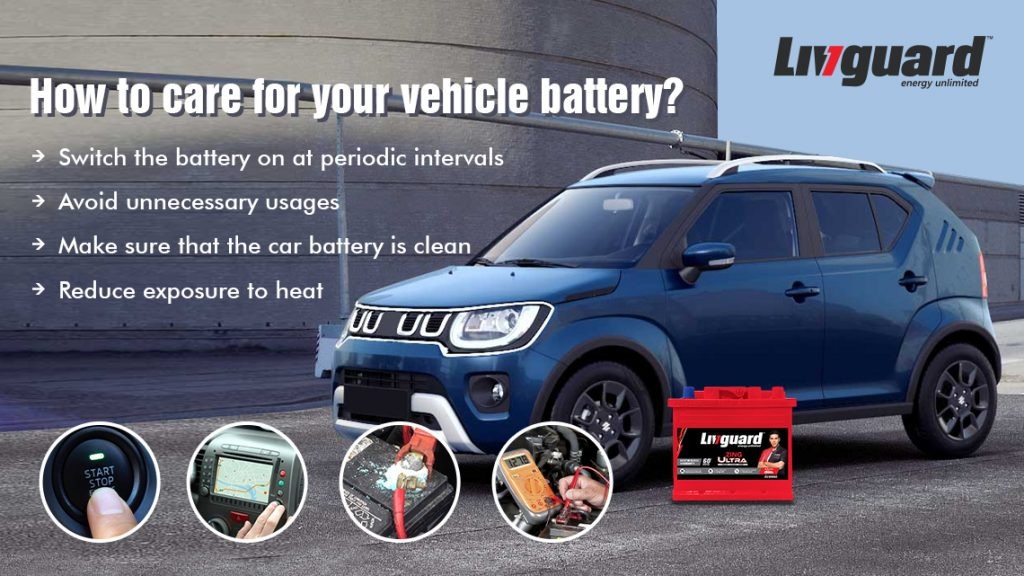
How to care for your vehicle battery?
A car battery goes through a lot, including severe fluctuations in temperatures. Both extreme heat and cold weather conditions can deteriorate the life of a car battery. After purchasing a good quality car battery, the second question is how to take appropriate care of the car battery. Like any other part of a car, its battery needs care and maintenance.
Signs your car battery is weak or dead
What are the signs indicating that a car’s battery is not in its proper working condition and needs a replacement soon? Spotting these issues is not hard if one is attentive. Here are some signs telling it’s time for a battery replacement. Not all of these may indicate the same issue, so it is good to seek an expert’s help to remove confusion.
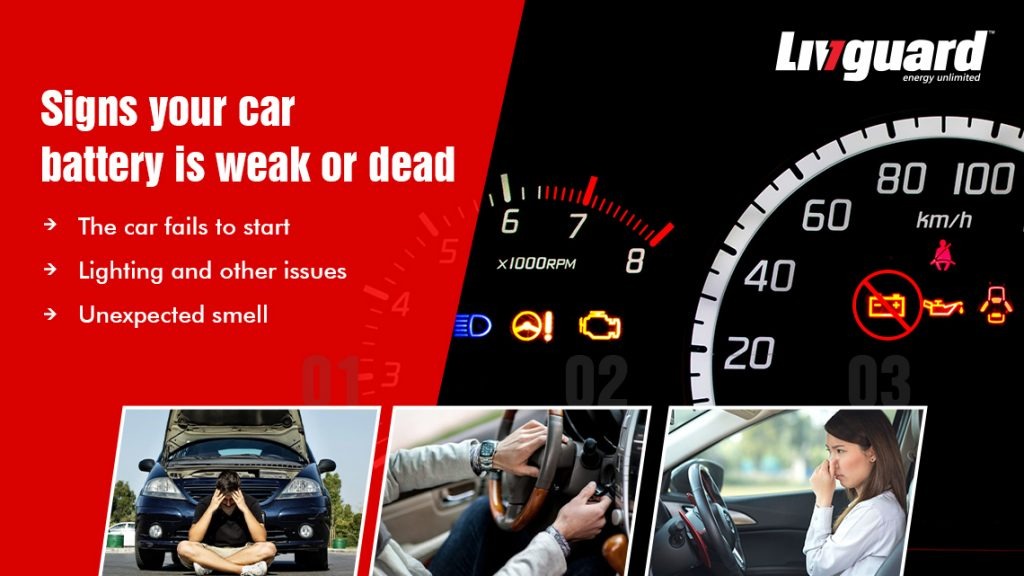
The car fails to start: Seasonal changes and other issues can make a car not start. A weak and low-quality battery can be the easy target of seasonal changes and worst weather conditions.
Lighting and other issues: Are lights flickering on the dashboard? Is a car’s lighting systems malfunctioning? These can be signs of a bad car battery.
Unexpected smell: When the hood is opened, does it smell like rotten eggs? A leaking battery may be the reason. A car battery needs to be replaced as soon as possible in this situation.
Other signs that may indicate a battery replacement is needed include a disfigured battery and a battery that is depleting soon etc. Do you hear a clicking sound at the time of turning the key? Are the battery terminals loose? These can be signs of a weak battery. Another noticeable thing when a battery needs to be replaced is when it becomes old.
Generally speaking, a car battery can last between 3 to 5 years, but several factors collectively decide its total lifespan. The type of the car purchased, the way it has been fastened, quality of driving, frequency of driving, condition of the roads, storage conditions etc., also have their overall impact on ensuring the total life of a car battery.
How to find the correct battery for your car
Taking proper care of the car battery should keep it healthy and extend its lifespan. But at one point, it will need replacement. It is good to have the battery tested by experts and replace it as soon as necessary.
When finding the correct battery, one needs to consider several things. Make sure that you know the actual capacity of your car battery. Opting for a battery of too small capacity means you may need to replace it sooner. Alternatively, opting for a battery with a higher capacity than required means spending more money.
Always make sure to purchase a car battery that is designed for the make and model of your car. Refer to the user manual for accurate information on which type of battery will best suit your car.
While purchasing a car battery, it is essential to determine the battery group size. It should conveniently and securely fit its tray. Another essential thing to consider while getting a brand new battery for your car is the brand of the battery. Always choose a trusted company with a credible track record of providing high-quality products in the market. A professional company should have excellent customer support. You may wish to follow review sites or ask people in your contacts about recommendations. Whichever brand is chosen, make sure that it fits your car.
Refrain from opting for low-quality products that are priced affordably because these batteries may need replacement sooner than normal, requiring you to invest more money than needed. As with price, the warranty can also be a deciding factor about the quality of a battery. A good car battery should come with decent warranty coverage, which is proof of the quality of the product.
New batteries last longer compared to their old variants. Make sure to check the manufacturing date. Generally speaking, a battery is regarded as fresh if less than six months old.
Another thing to consider while choosing a car battery is to check the reserve capacity rating. A good reserve capacity rating is nice, but make sure to refer to the user manual to learn about the recommended reserve capacity rating suitable for the model and type of your car. Determining the battery’s cold-cranking Amp rating is also important, but if you live in an area with a warm climate year-round, this is not a very significant factor during the battery buying process.